Hacker Conversations Hacker Conversations: Isira Adithya, the Evolution of an Ethical Hacker From building LED bulbs to graduating college and buying a house with money earned from bug bounties. By Kevin Townsend | June 16, 2026 (10:27 AM ET) Flipboard Reddit Whatsapp Whatsapp Email Like many hackers, Sri Lankan-born Isira Adithya was a child prodigy, building LED bulbs and selling them to his teachers when he was just 11 years old. But he has never used his skills for nefarious purposes. “Hackers,” says Adithya, “are people who refuse to take technology at face value. They probe, test, and dismantle to understand what’s inside and how it behaves. This can be used for security research, building better systems, or, in the wrong hands, for malicious gain.” His was a dual track to fully understanding this, starting when he was gifted a laptop by his parents for passing a scholarship exam when he was ten years old. “For me, hacking is an irresistible need to see how things work,” he comments. “I was curious about machines and systems from an early age, not just computers. I wanted to know how cars function, how helicopters fly, and how electronic equipment operates.” Isira Adithya By the time he was 11, he started learning how to hack computer games on his laptop; but he remained interested in hardware ‘hacking’. Before he even got the laptop, he broke a DVD player by trying to reroute the audio output to custom speakers. At age 12, he built a small four-motor drone. “It took many failed attempts, but eventually, it hovered,” he explains. But he soon began to concentrate on computer hacking. Some hackers are driven by a simple but irresistible urge to take things apart to see how they work. But for Adithya it was the whole nine yards: break and remake to do something unintended. “It’s a desire to make something work in a way that wasn’t originally intended. There’s something deeply satisfying about bending systems beyond their design. When I had my first laptop, I want
Back to Home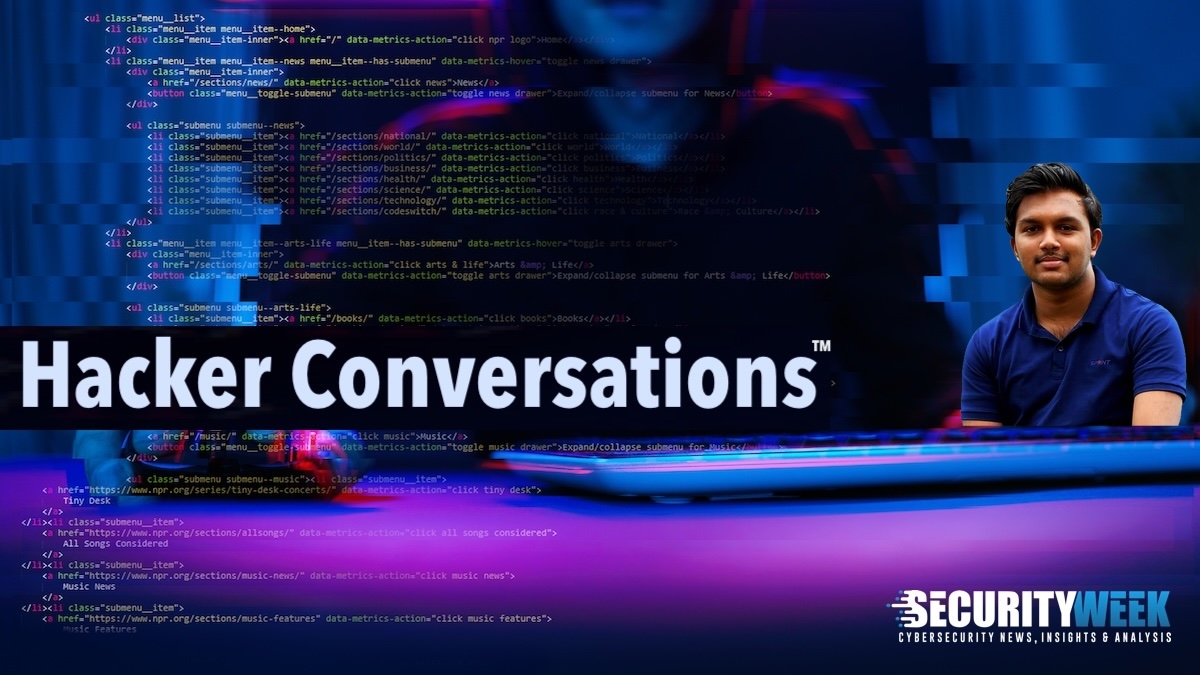
Hacker Conversations: Isira Adithya, the Evolution of an Ethical Hacker
B
Blizine Admin
·2 min read·0 views
B
Blizine Admin
View Profile Staff Writer